How to Prepare for Your Studio Session
The preparation process ensures we make the most of your session and your investment. The goal is always to build a content library your fitness or wellness brand can draw from for at least a year or two — and that only happens when the groundwork is done before we arrive on set.
When studio owners and marketing managers prepare intentionally, the day reaches a flow state. There's space for creative decisions in the moment, and we have fun. When the prep hasn't happened, the session tends to produce content that doesn't serve the brand as well as it could.
This guide covers everything you need to know to plan your brand photography or video session with confidence. We'll walk through each step of the process, and you'll hear from past clients about what preparation made possible for them.
Why clients made the choice to book:
"We loved your portfolio and were drawn to your industry experience."
"We needed the content to be chic, premium and high quality for our website. We want people to land on our website and to be enticed into booking workouts at our studios."
"I always do as I find it elevates my branding and helps us represent in a way that is aligned with my mission."
The Mood Board
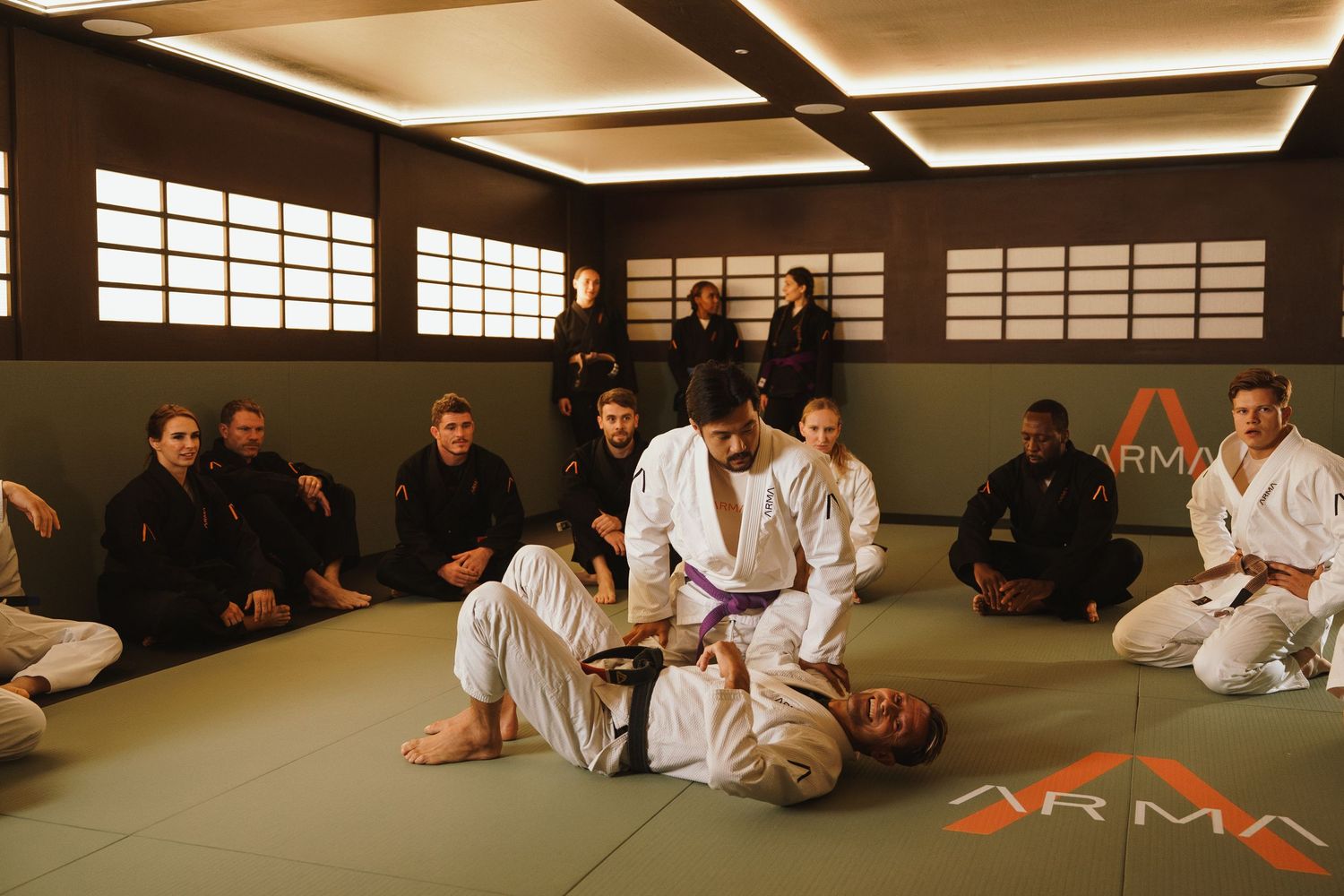
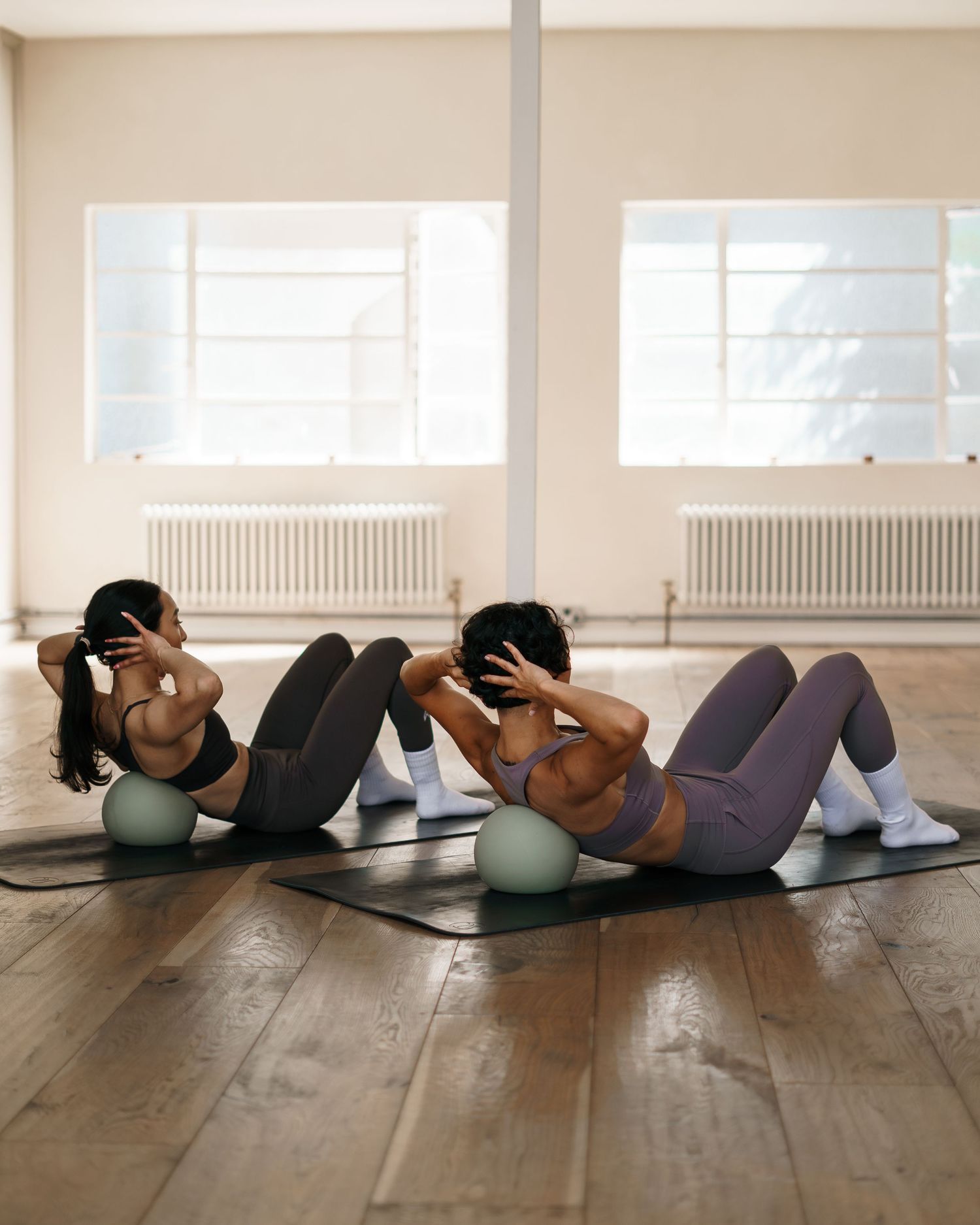
The moodboard is how we get on the same page aesthetically before the session. It influences everything — the location we choose, the setup we need, the lighting we're working toward. On the day, it also gives us something to return to when we need a reference point or a creative reset.
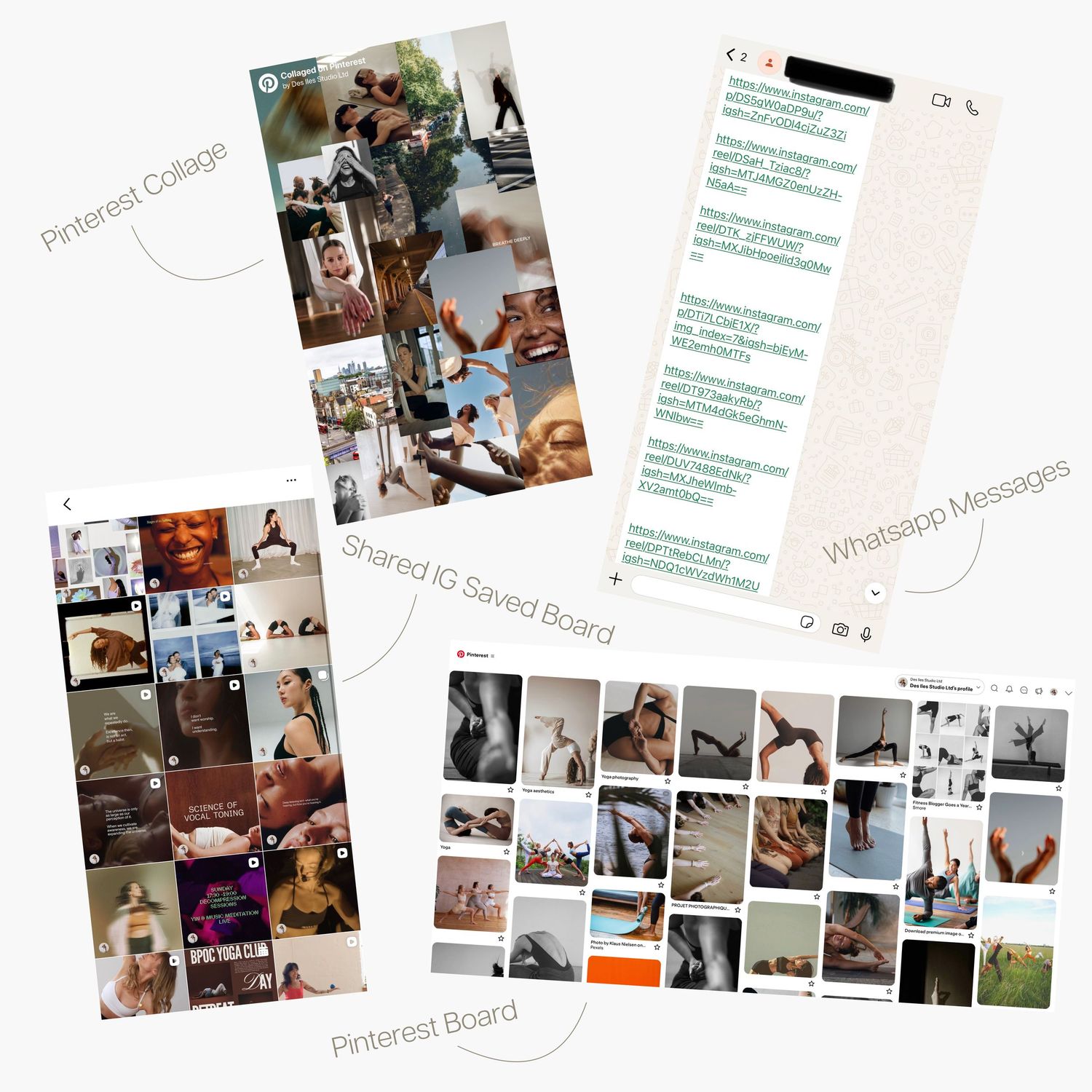
It's not a rigid brief. Think of it as a shared visual language between us. There's no fixed way to build one. Some clients create a Pinterest board and add us directly (preferred), some start a collaborative DM on Instagram, some send references over WhatsApp. However it comes together naturally for you works for us. Everything gets compiled into a shared Notion vision board ahead of the session so we have it on hand on the day.
Include anything that captures how you want people to feel when they see your brand's content. Images, colours, textures, references. If something catches your eye and you're not sure why, add it anyway and tell us what drew you to it. Past clients have arrived with words like calm, grounded, alive, earthy, classical, empowering. Starting with a handful of words and then finding visuals to match is a good way in if you're not sure where to begin.
What past clients said about visualizing ahead of time:
"Feedback has been consistently positive, with the brand now perceived as more aspirational and premium."
The Shot List
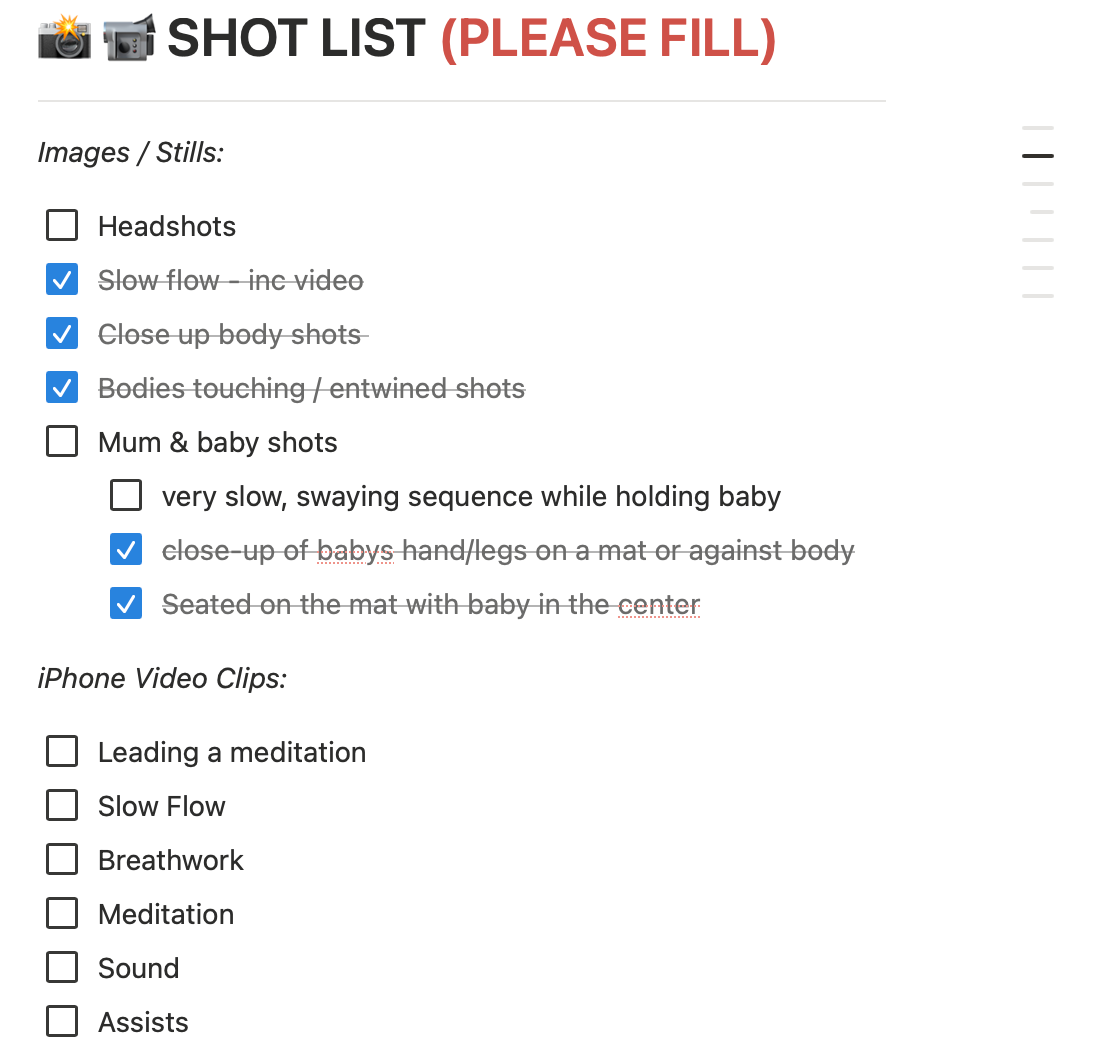
The shot list is your opportunity to tell us exactly what you need to walk away with. The structure comes from us, but every item on it comes from you.
Being specific here matters for two reasons. First, it means we capture what's most important to you. Second, it gives us the chance to advise if any expectations need adjusting before we're on set.
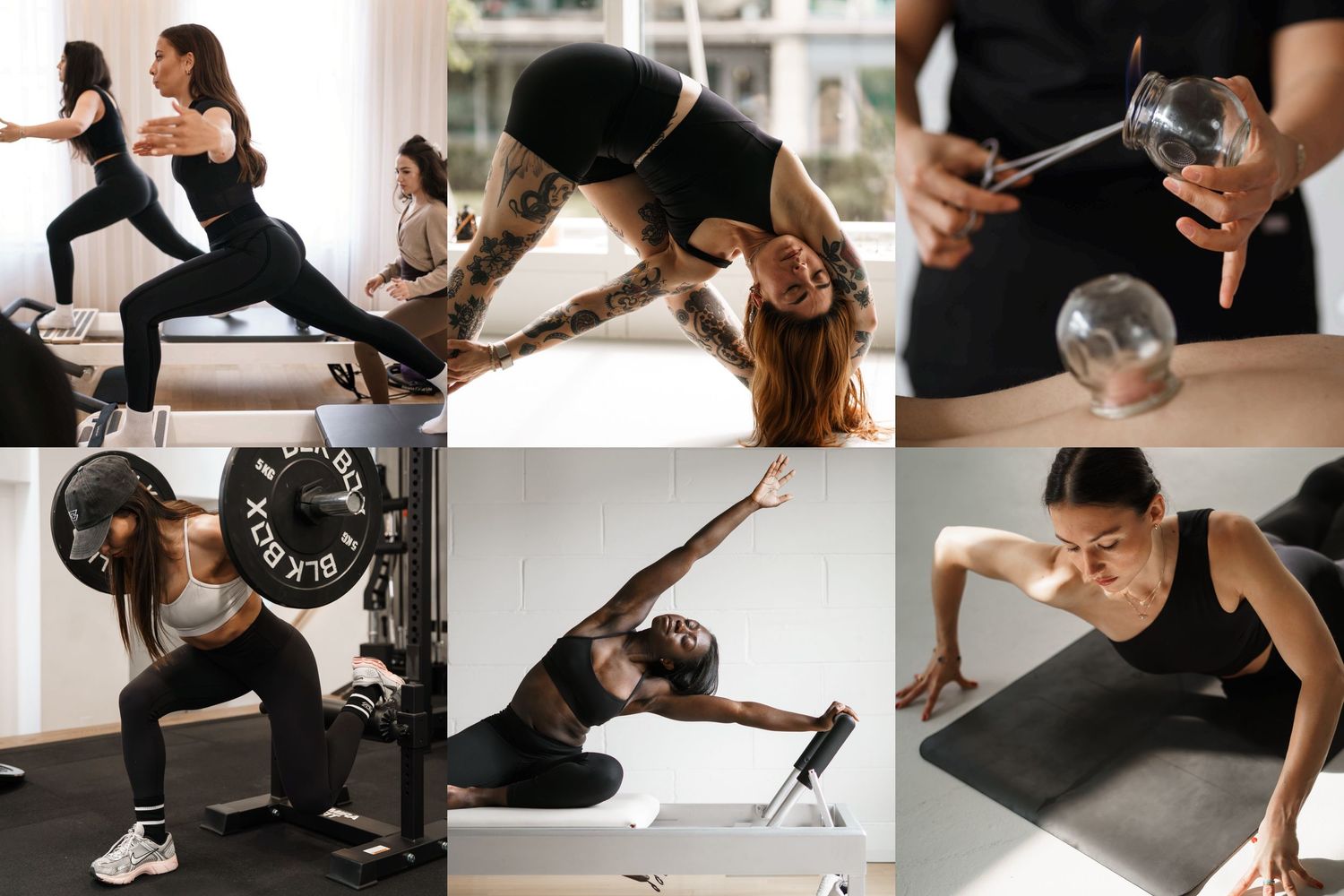
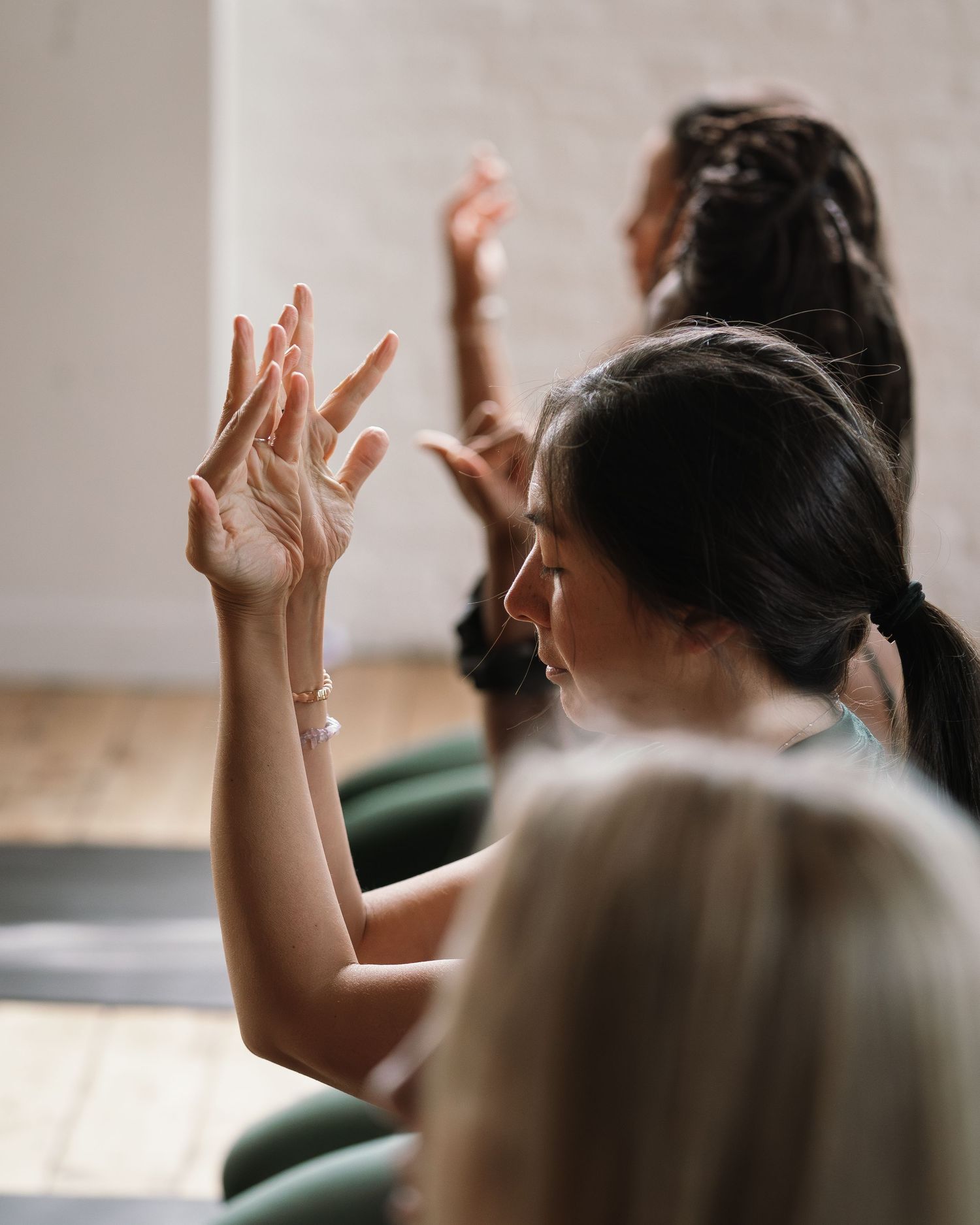
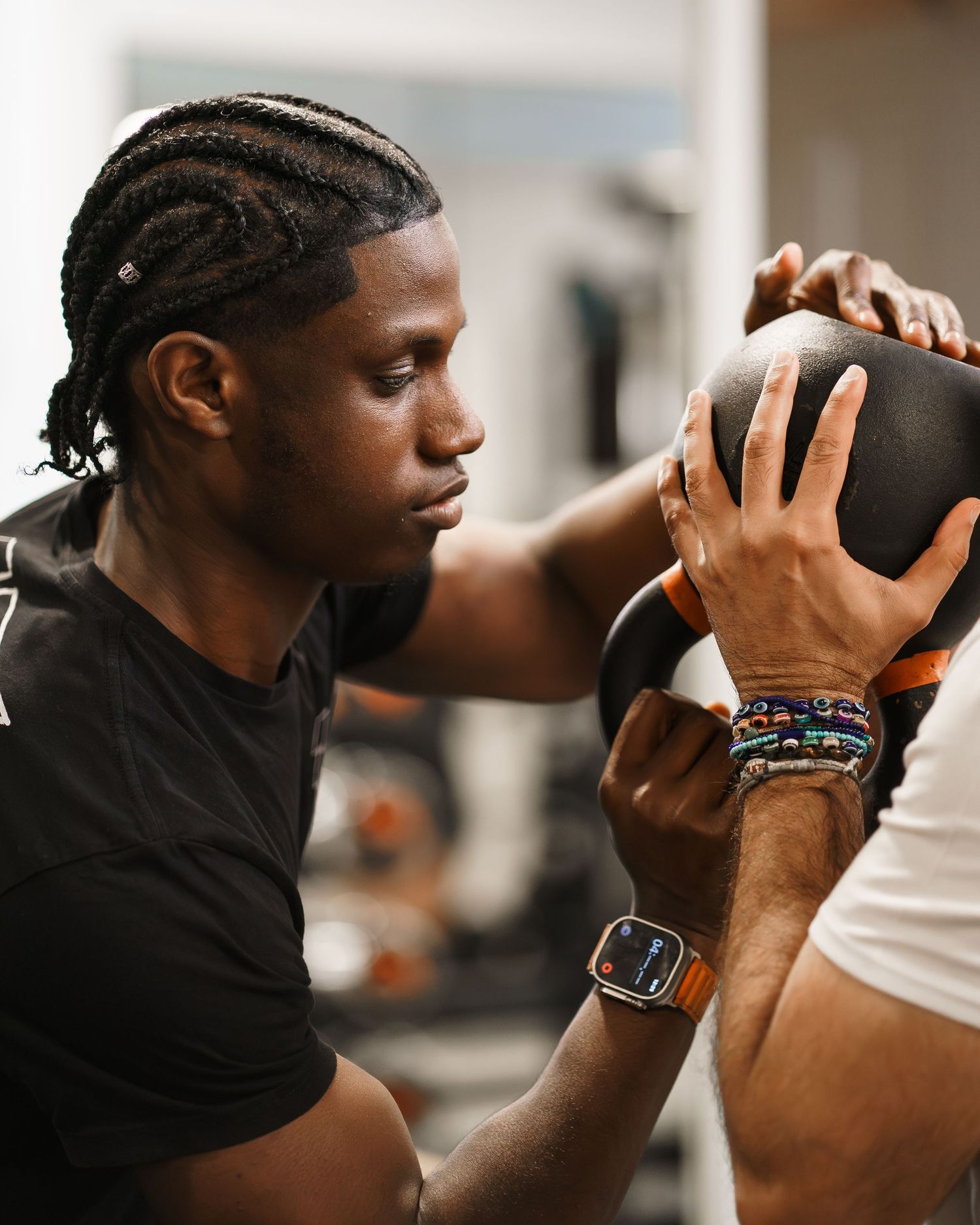
Think in categories: headshots, action shots, detail shots, prop-led work, 1-2-1 sessions, BTS. Then think further ahead — what are you going to need content for over the next six months to a year? A workshop launch, a new offering, a seasonal campaign? If you can anticipate it now, we can plan for it.
Each item on your shot list will map to a block in the run of show. The clearer your list, the more purposefully we can sequence the day.
What past clients said about creating a shot list:
"Photos were an instant hit! I wasn't sure when I saw the video clips apart, but once I put it together it looked so good!"
The ROS (Run of Show)
The run of show is a breakdown of the session divided into time blocks — usually 15, 30 or 60 minute increments depending on what we're working toward. We build the structure together, but the details come from you.
Each block is typically organised around a theme or a styling choice. During our prep call, we'll talk through how to approach it, but the day is ultimately guided by your goals. I'll advise and interject where it's useful, but the run of show is yours to shape.
Before the session, fill it out as fully as you can. Think about what you want to capture in each block and what you plan to wear. I'll keep a copy and refer to it on the day.
However you need to organise your thoughts and share them with us works.
Read it before the day. The more familiar you are with it, the more efficiently we use our time on set.
What past clients said about creating the ROS:
"In addition to the list of poses, I really enjoyed how you were very smooth and creative in making people move beyond their prepared flow. In the past we received little input from the photographer. I also appreciated the good timing, and having a stopwatch even though we also monitored time strictly."
The Location
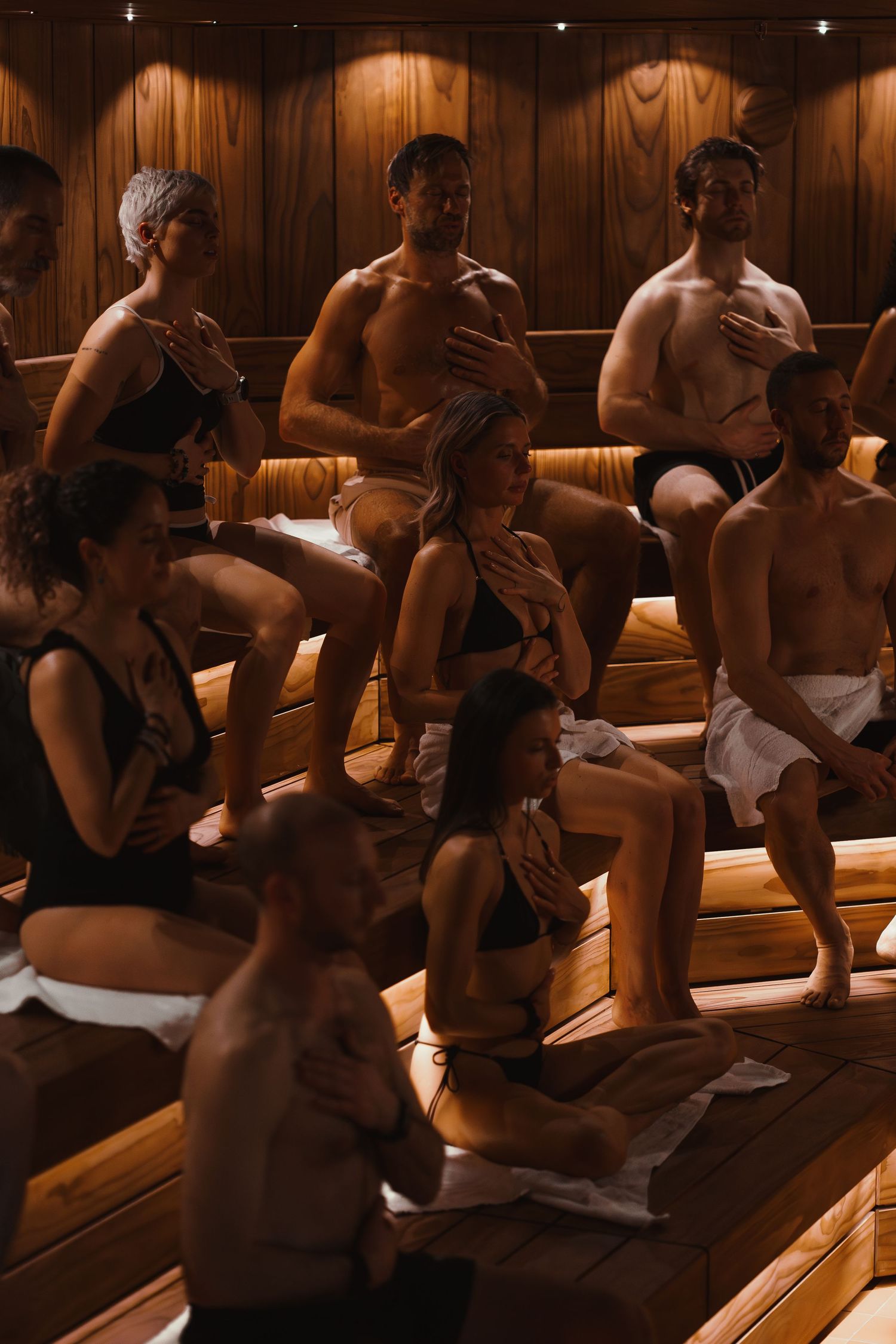
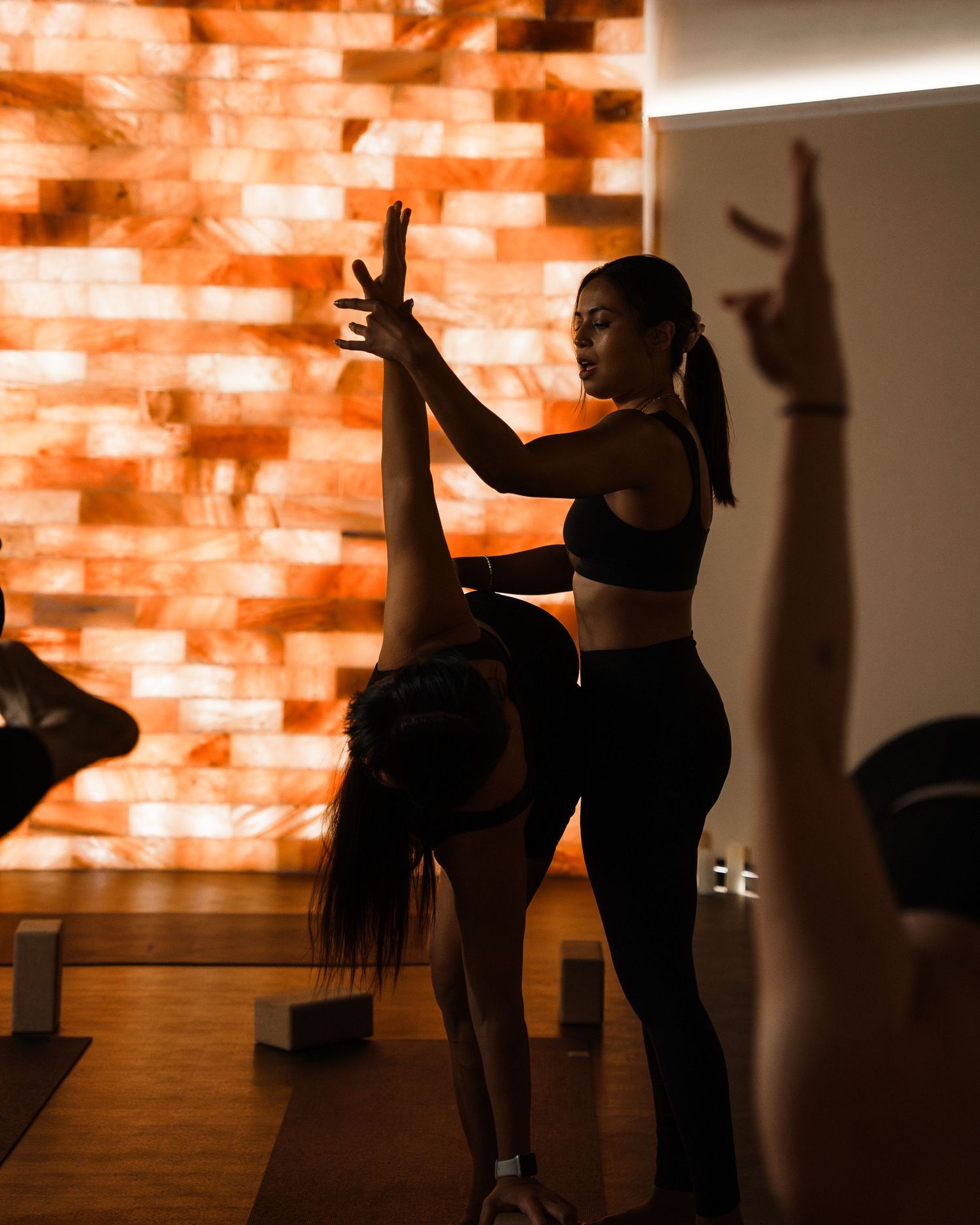
The type of content you want to create should shape how you think about your space. Does the imagery need to show your offering authentically — the practice, the experience, the environment? Or are you after brand imagery that communicates something on its own, independent of what happens in the room? We'll work this out together during our prep call, but it's worth thinking about before we get there.
What's possible varies greatly from studio to studio. If there's a gap between your vision and what the space can realistically deliver, we'll tell you before the day.
We'll need photos and video of the space before we get into the detail of planning. A walkthrough is enough — we just need to understand what we're working with. Occasionally we'll arrange a recce if the shoot requires it.
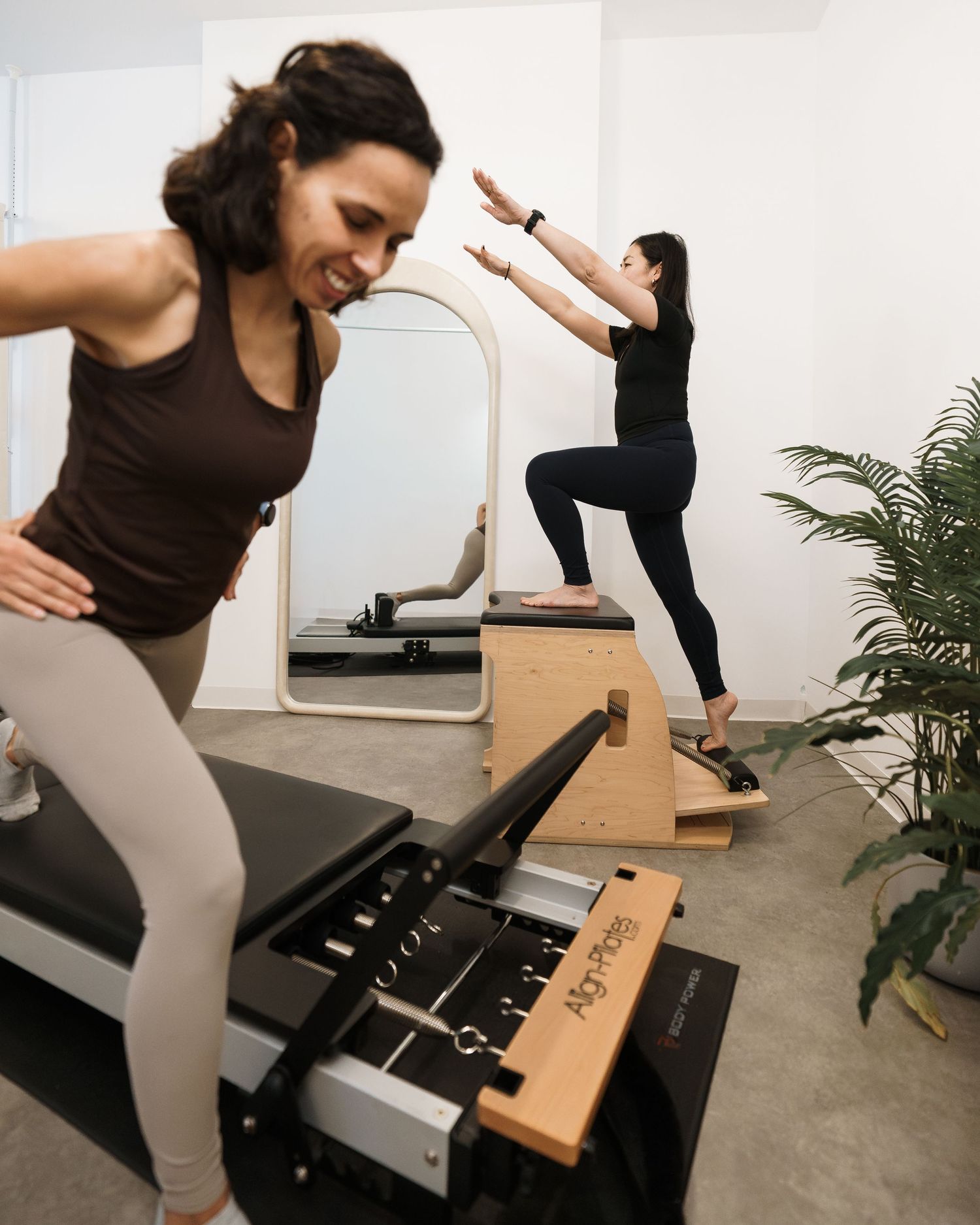
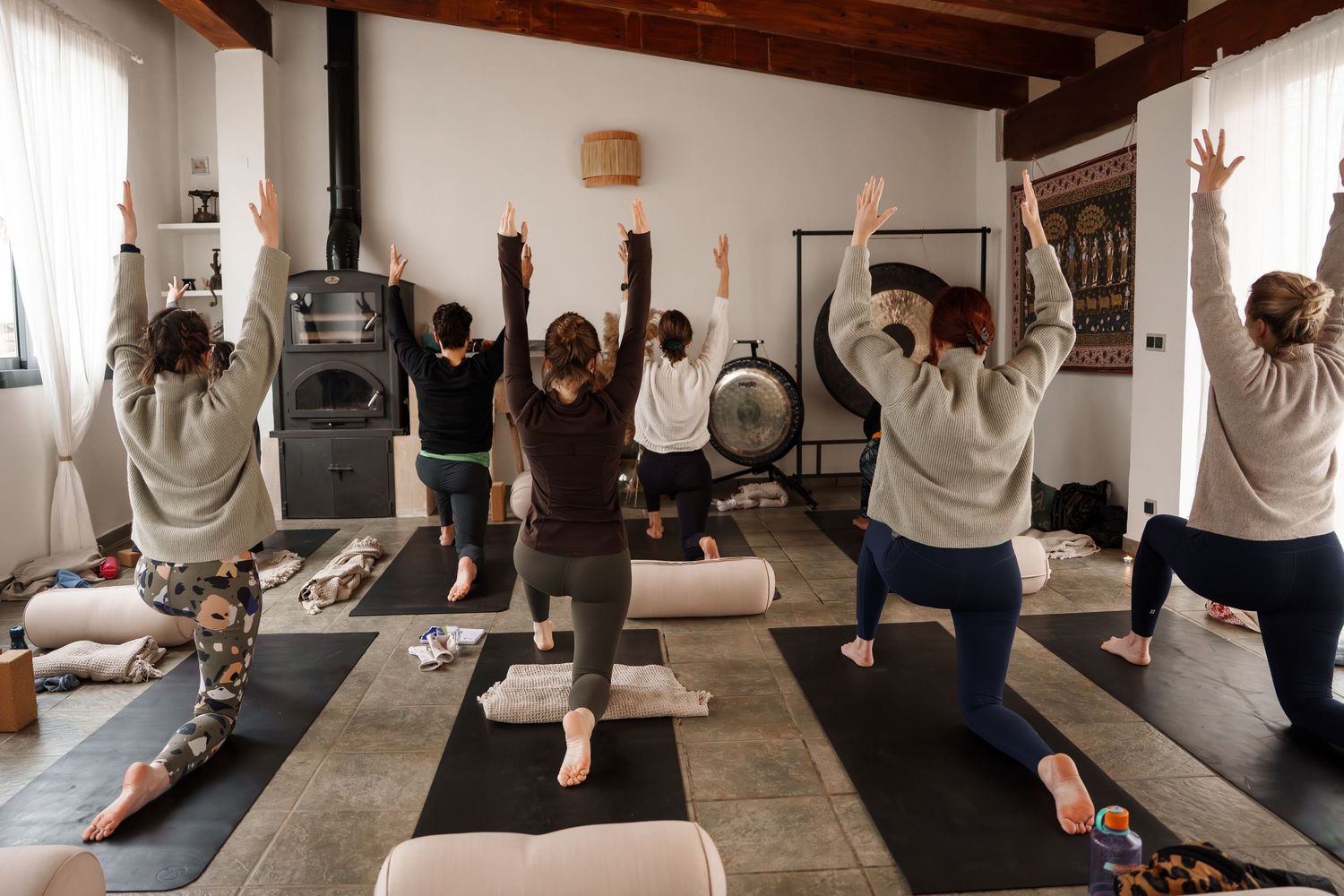
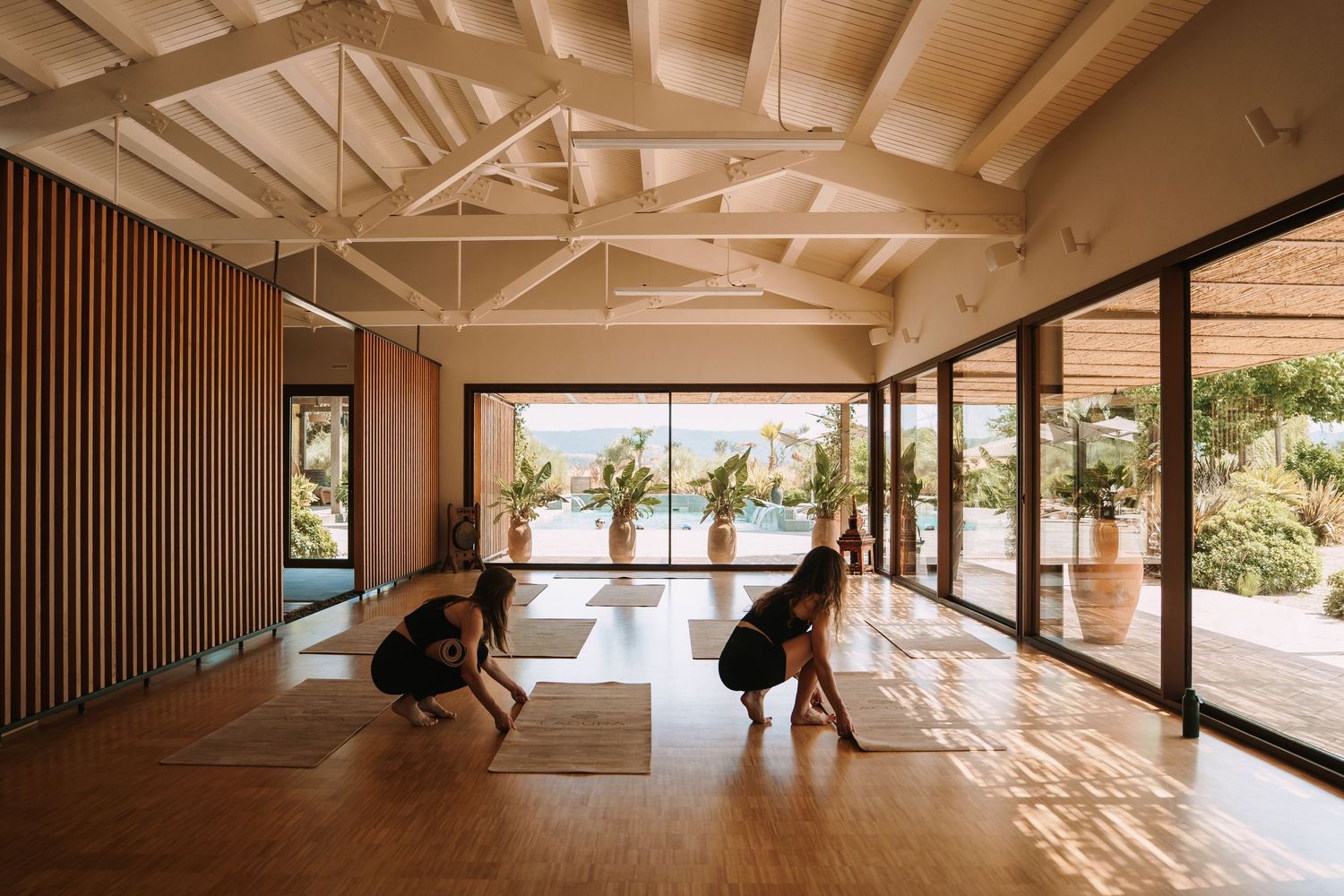
On the day, have the space clean and props organised before we arrive. Clean mats, streak-free mirrors and windows, and a clear working environment make a significant difference to the final imagery. If you have a large group of teachers or models on set, designate a holding space for them between setups.
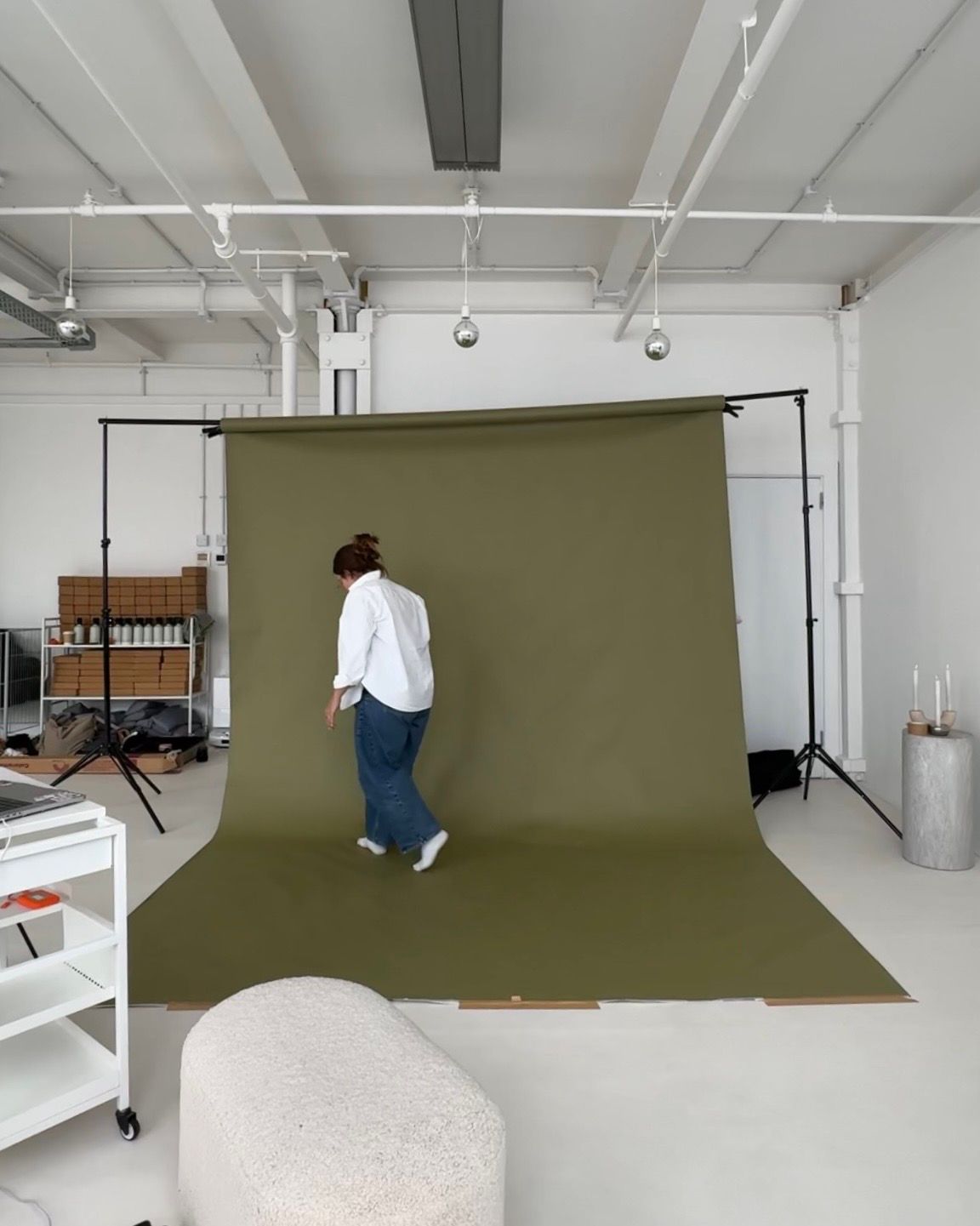
Depending on your vision, further lighting or effects kit may need to be hired — we'll advise during prep if that's the case. One thing worth knowing: studios with a lot of mirrors tend to produce busy imagery. We can work around it, but flag it early so we can plan accordingly.
What past clients said about investing in location hire:
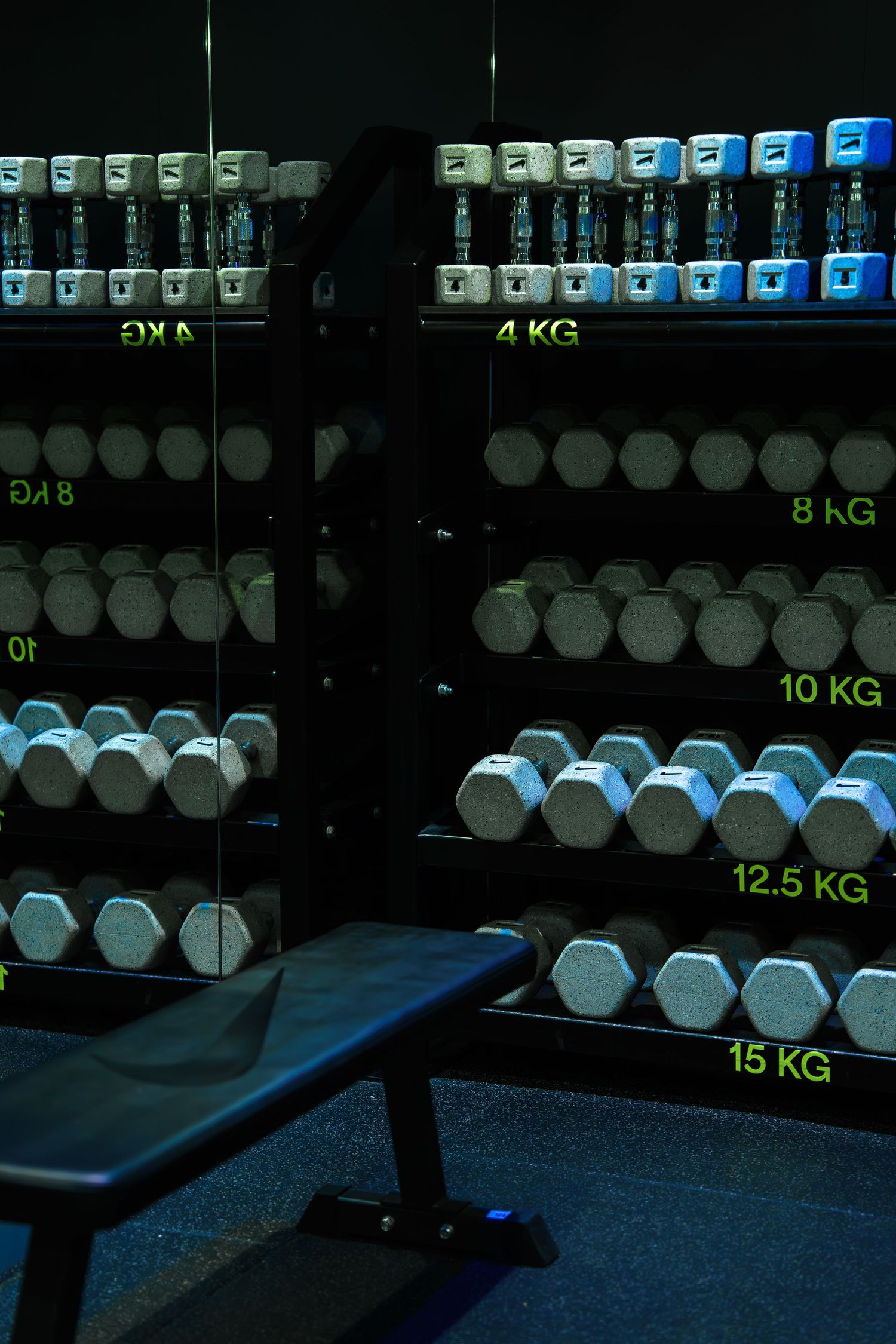
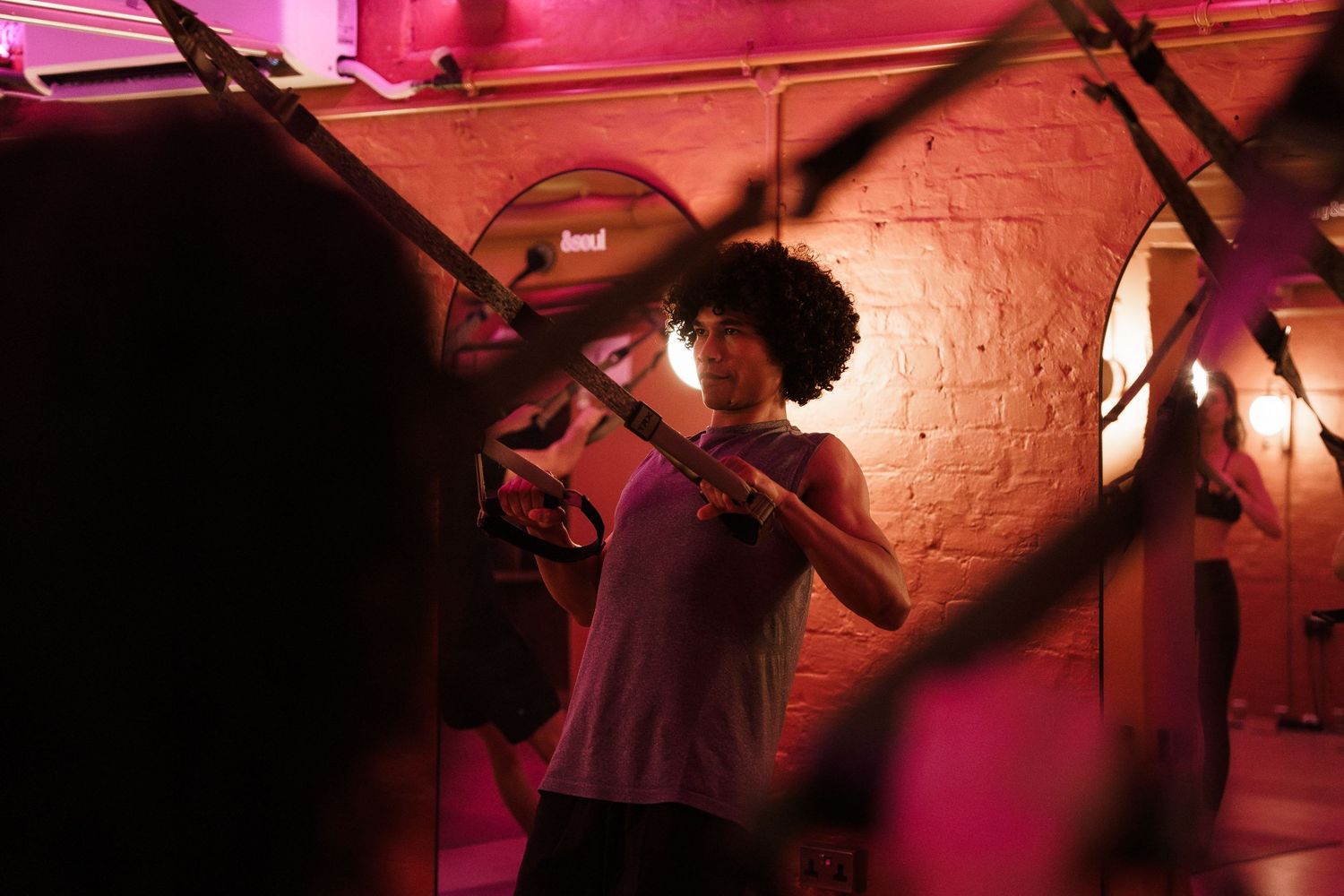
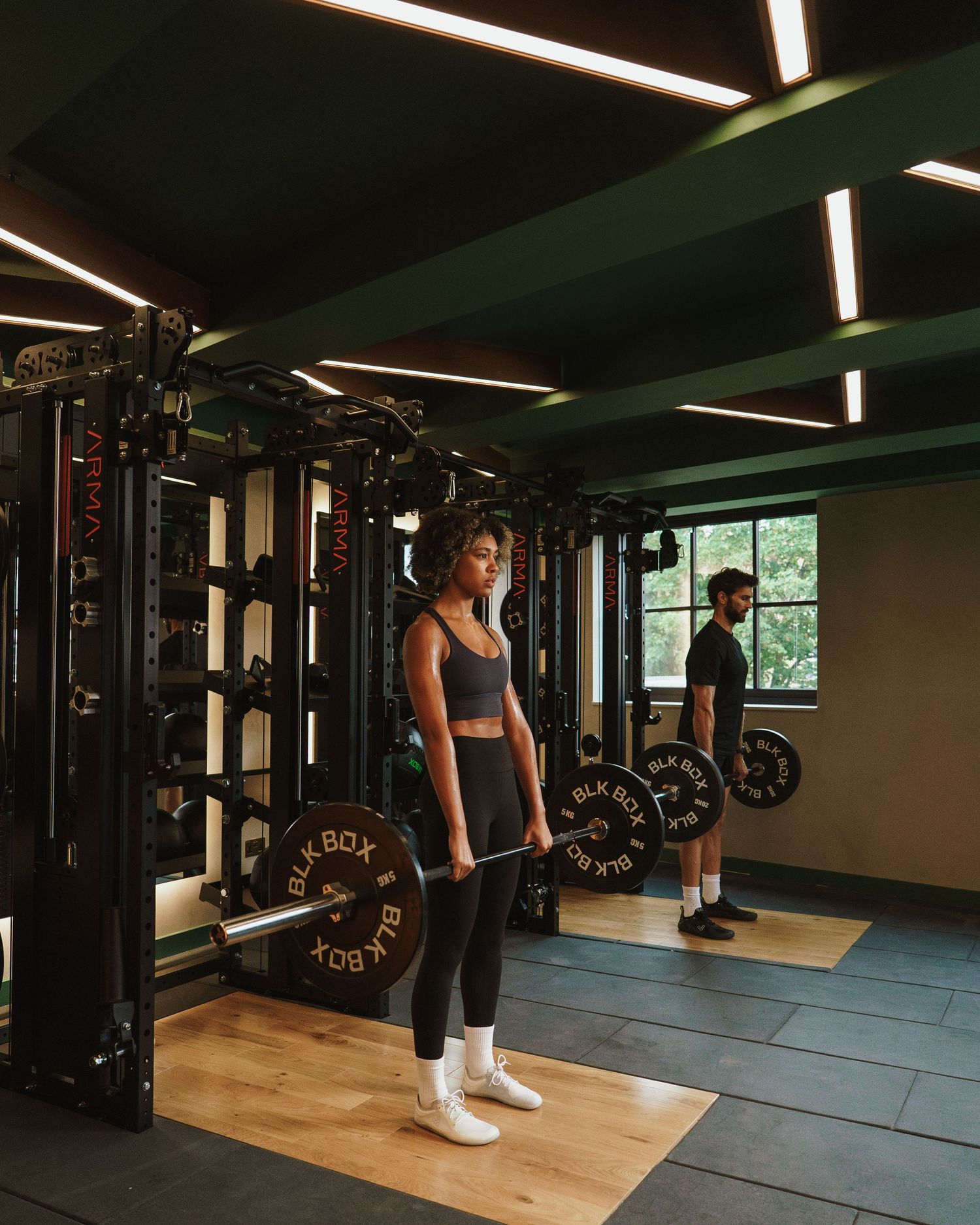
"Some of our favourite shots are of the small details in the studio. Things you may usually walk past and not pick up on, but important moments for us as a brand to highlight."
The Styling
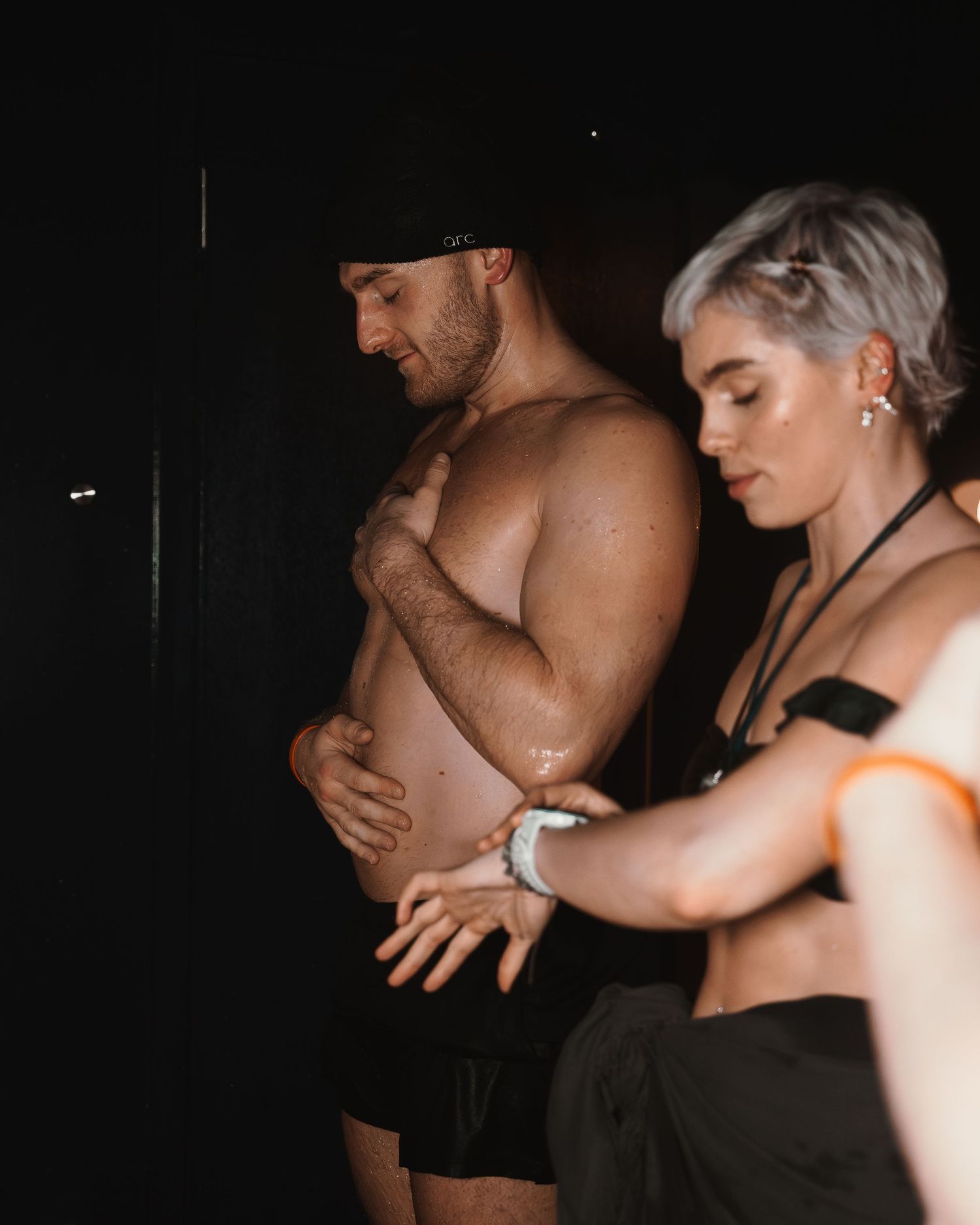
Styling has a direct impact on how long your content stays usable. The goal is to build a wardrobe for the session that gives us variety without dating the imagery.
Start with black. It is the most neutral and timeless option available, and for a group it creates an instant visual cohesion that works across every platform. From there, think about your brand direction. Airy neutrals sit at one end, punchy colours at the other. Your moodboard should guide this, and your brand colours are worth leaning into where they feel natural.
The more specific the instructions you give your team before the day, the better. At a minimum, avoid clashing. If you can go further and give teachers, community members, and any models a clear brief on what to wear — down to specific colours or pieces — the imagery will reflect that.
Bring at least two to three options per person so we have room to move between looks across the day. Patterns and logos are almost always a distraction on camera and tend to date quickly. We'd steer away from both, but ultimately it's your content and your call.
Hair, makeup and jewellery should be consistent with how the brand presents itself in real life. Some studios want a consistent aesthetic across the group — hair back, minimal or gold jewellery, a clean and considered look. Others prefer to let teachers show up as themselves. Neither is wrong, but deciding in advance and communicating it to your team means we're not making those calls on the day. If you're planning an active session, make sure your team has what they need for touch-ups. Portrait and headshot work is best scheduled at the start of the session while everything is fresh — we'll factor that into the run of show.
What past clients said about creating my styling recommendations:
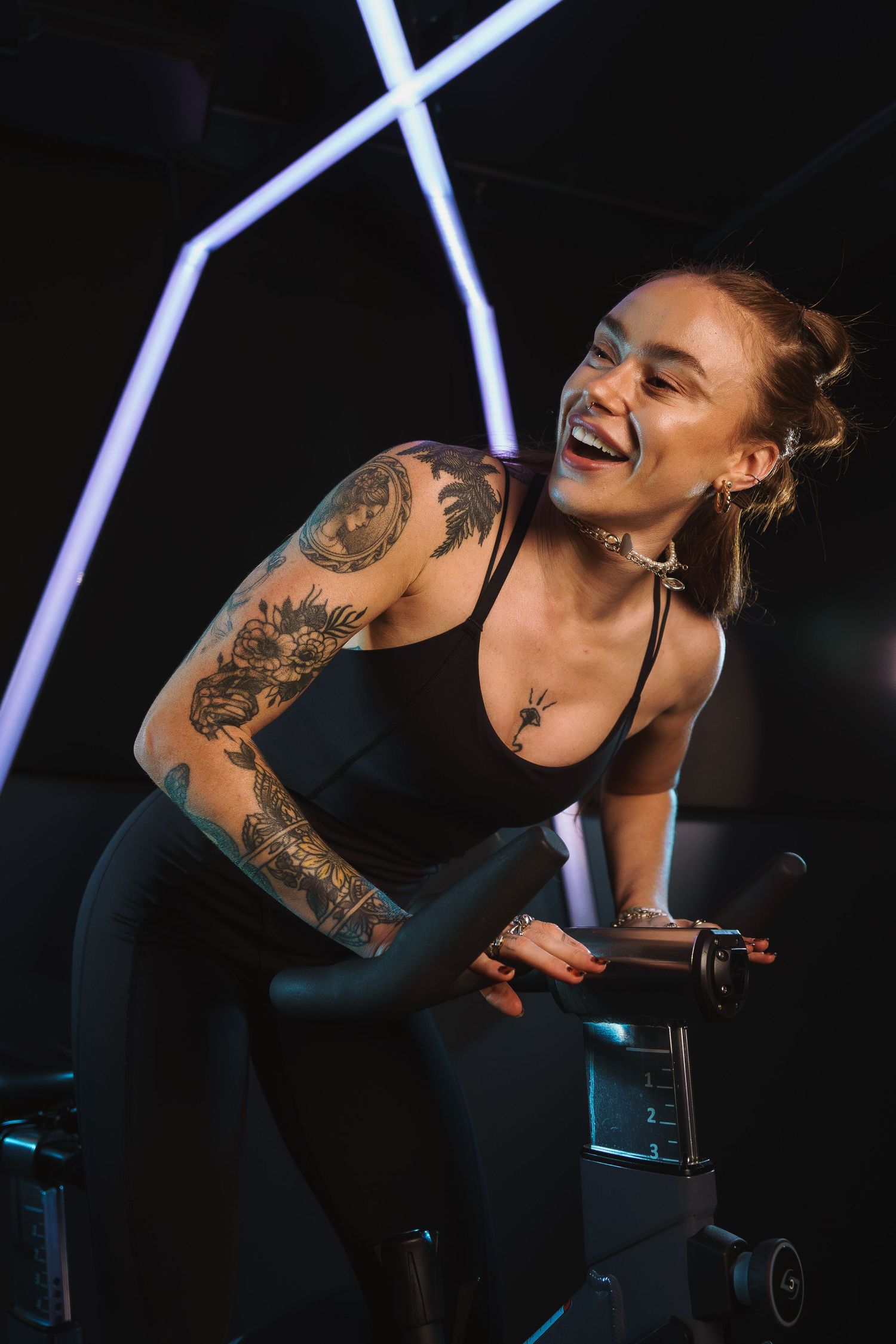
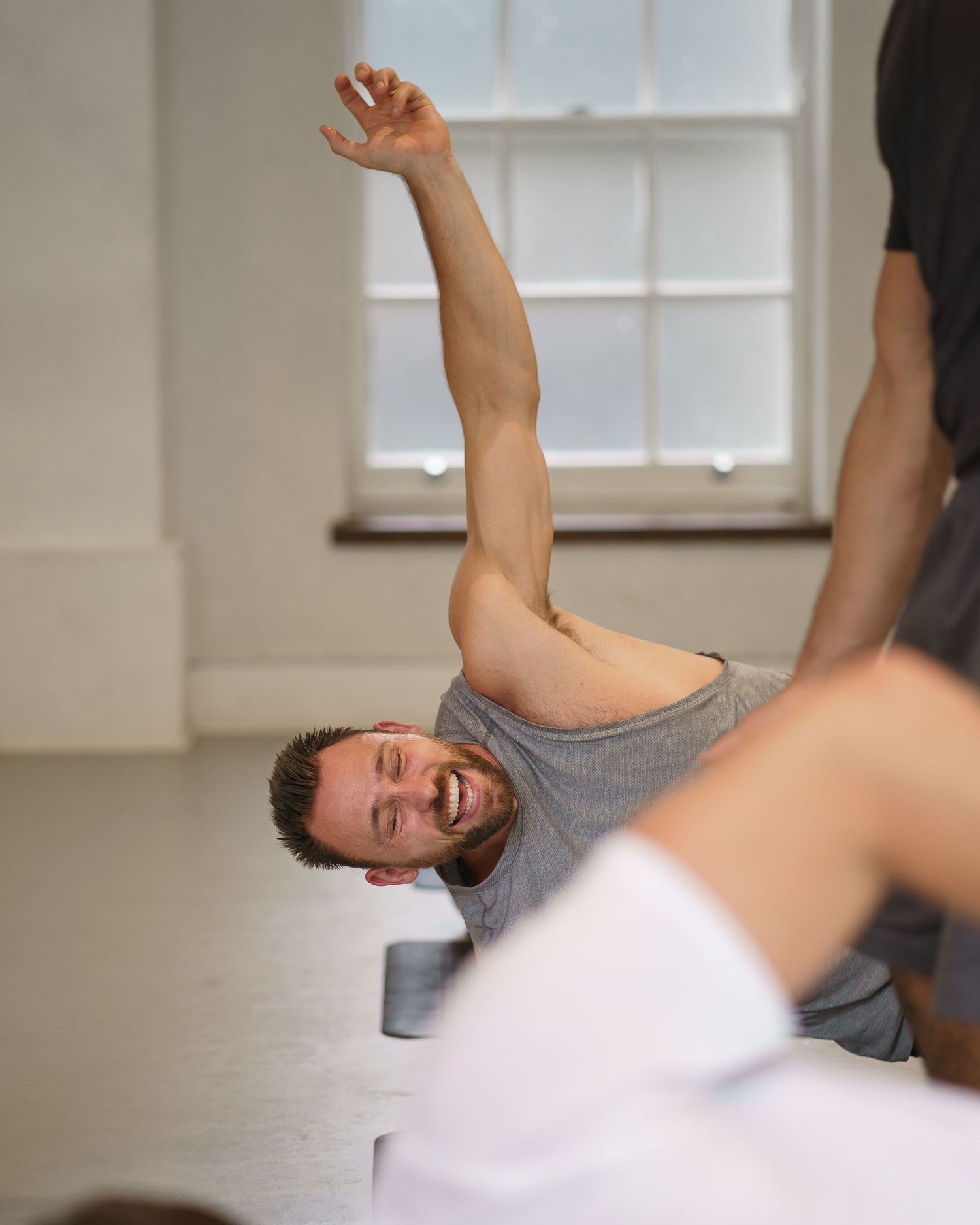
Studios we've worked with have fed back that the styling guidance made a noticeable difference to how cohesive the final imagery felt. It's one of the things that's easiest to get right in advance and hardest to fix on the day.
Your Team & Models
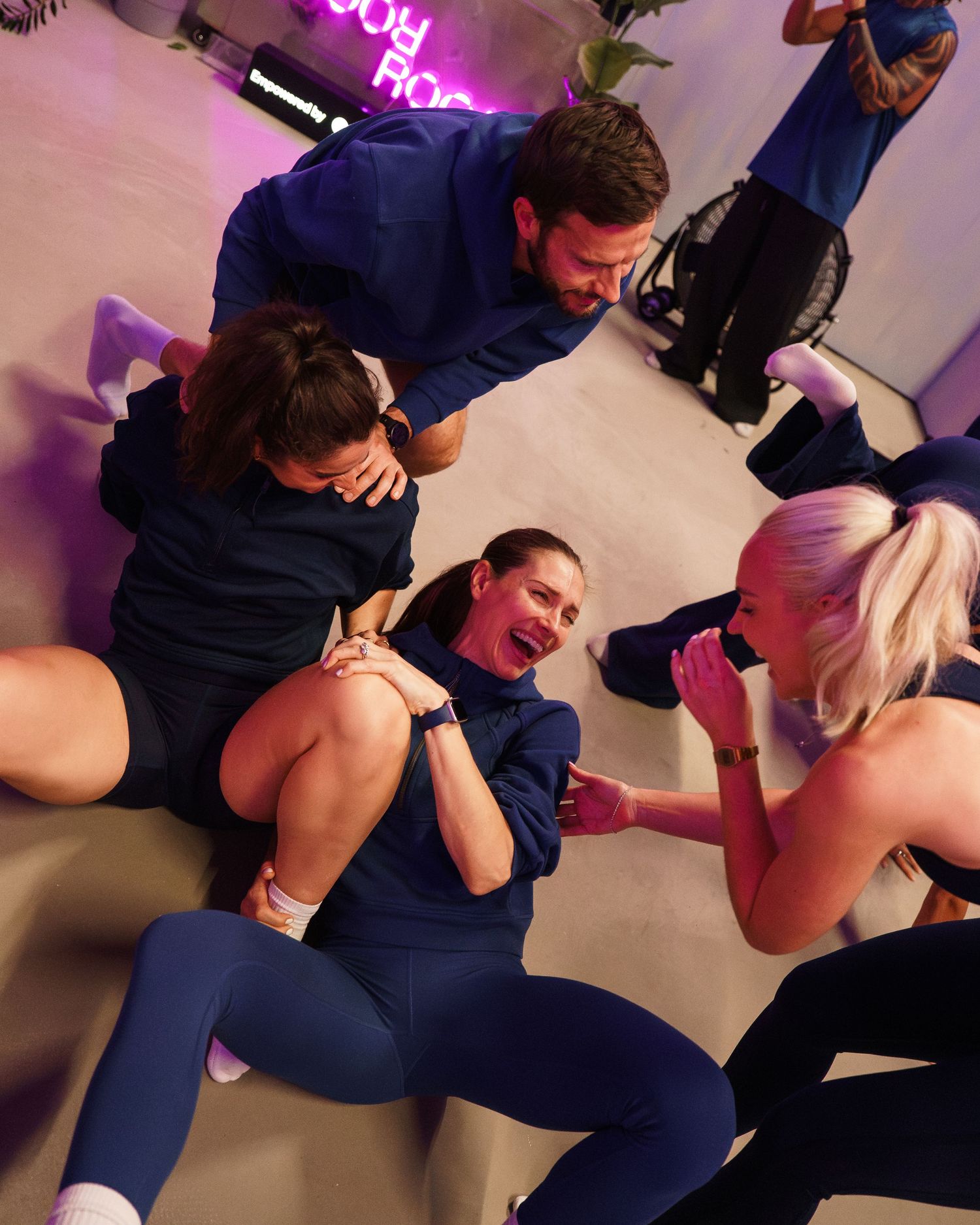
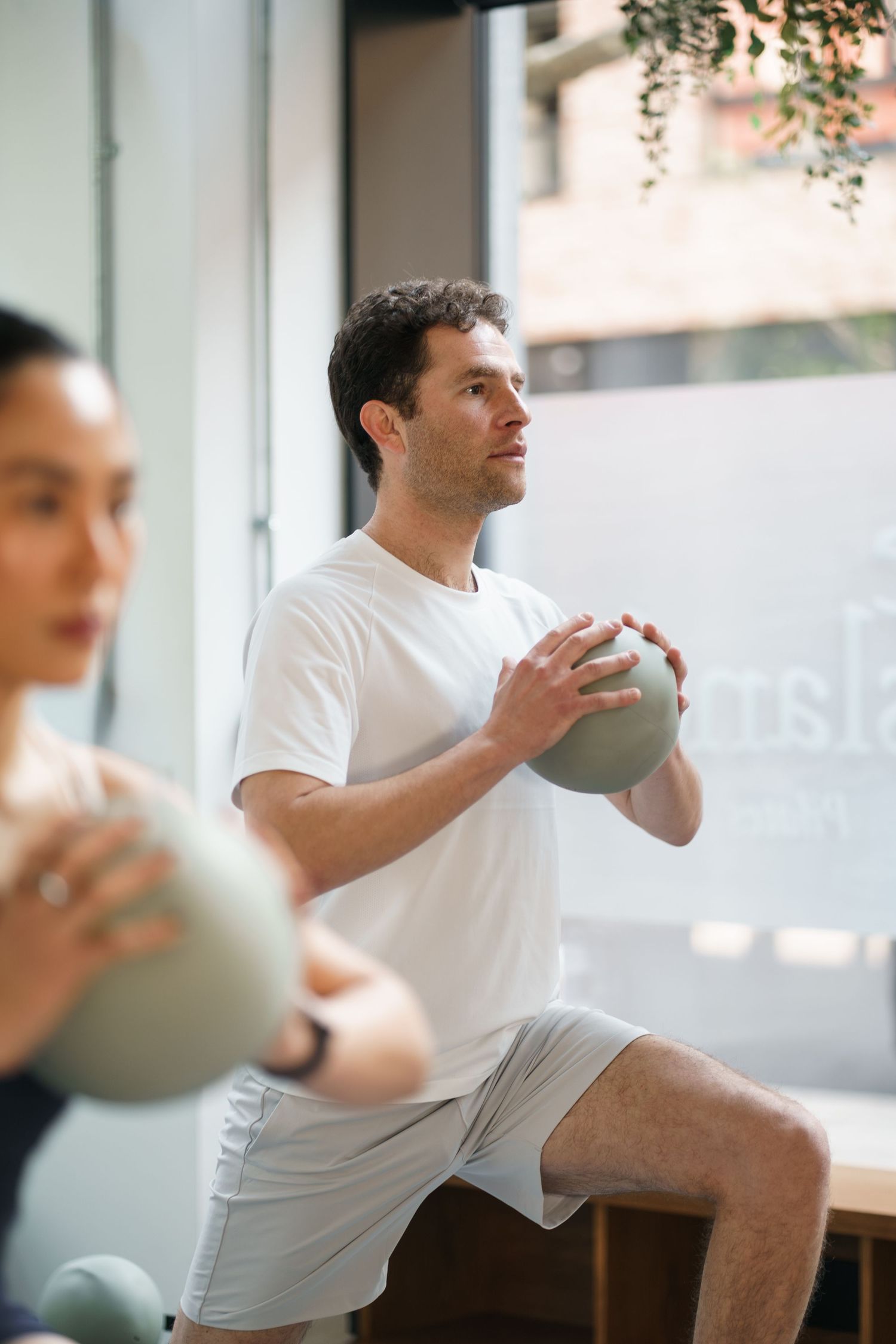
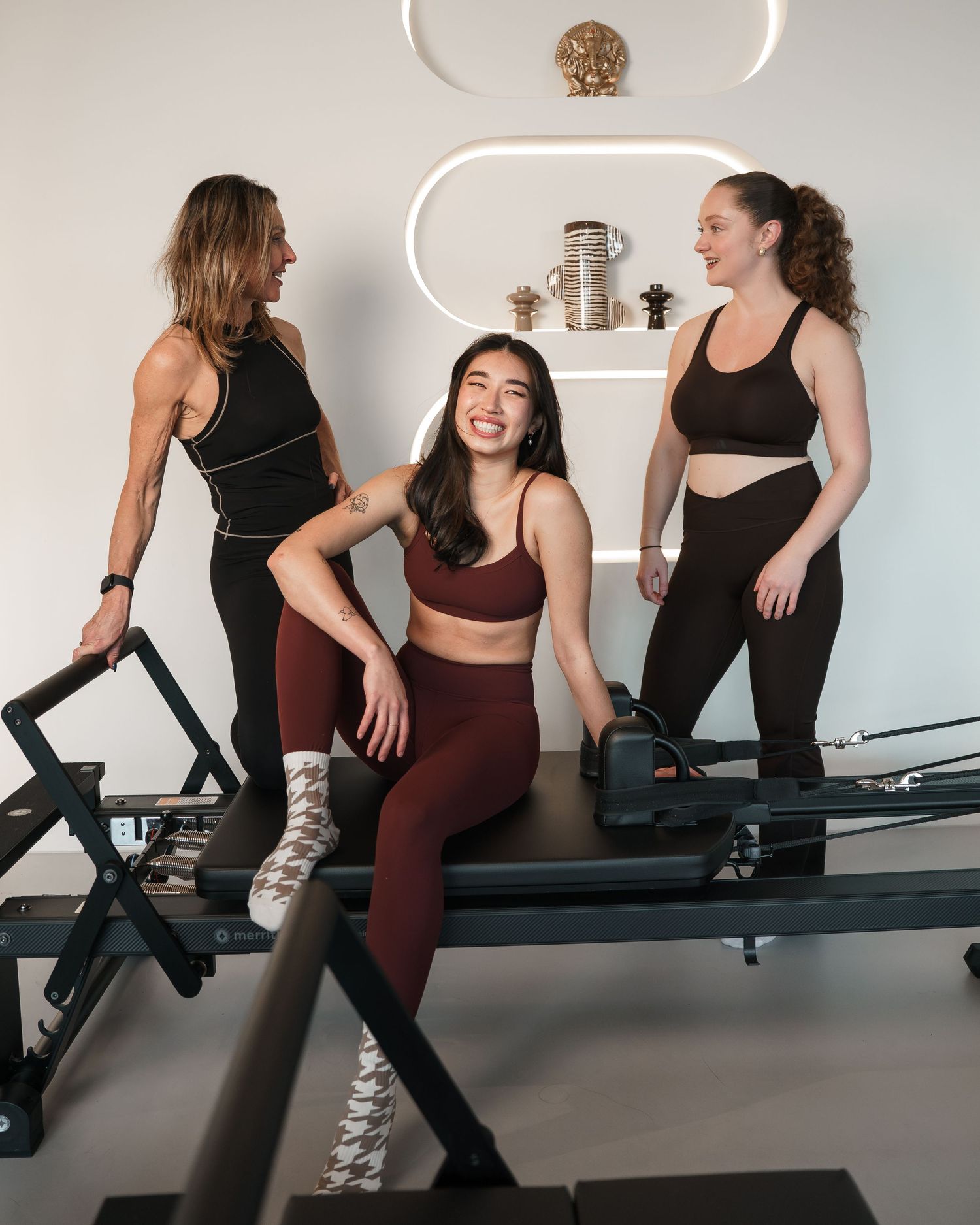
For most studio sessions, the team on set is the heart of the content. Teachers, community members, models — whoever is in front of the camera is part of the story we're telling, and the energy they bring will be visible in the final work.
Think carefully about who you're putting in front of the lens. The people you choose should reflect your brand, your community, and the feeling you want the imagery to carry. If a teacher isn't available or a community member isn't the right fit for this particular shoot, it's better to know before the day.
Depending on your team's availability, you may want to bring in models to fill gaps or add range. Either works — what matters is that everyone on set knows what they're there to do and arrives ready to bring it.
The people you bring are your responsibility to brief. Share this guide with them. The more they understand about the session, the smoother the day runs. Make sure they know the vibe you're going for — the mood board is a useful reference to share.
A few practicalities: know who is coming, when they're arriving, and what you need from them during their time on set. Models will not have access to the final content unless that has been specifically agreed in advance. Any arrangements around image usage need to be confirmed before the session date.
What past clients said about having models on set:
"She managed to capture the essence of our studio and the essence of our people."
"She brings the best energy and has a true understanding of community and the wellness space."

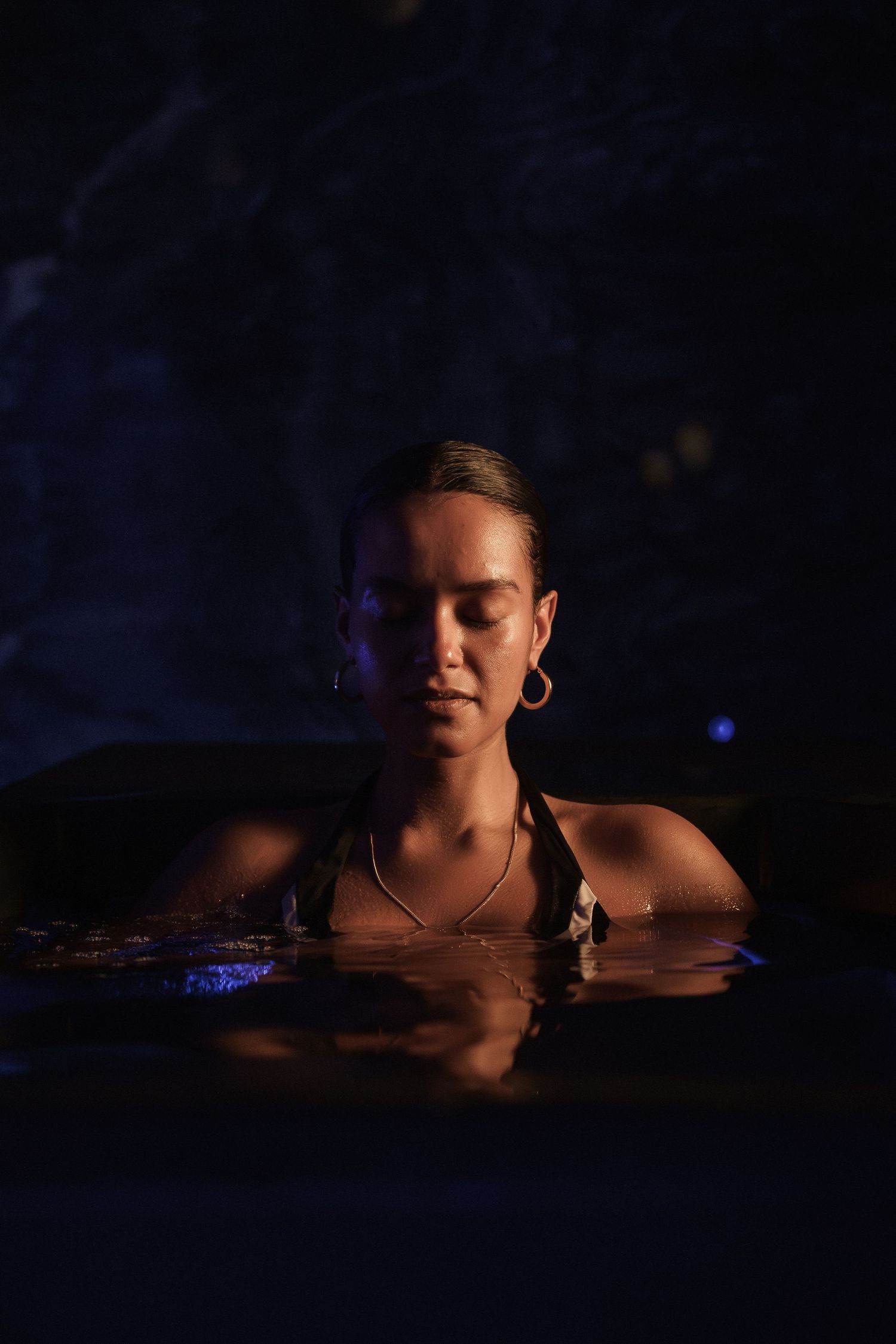
On the Day
Before we arrive, have the space set up and ready. Clean mats, props in place, mirrors and windows streak-free. Your team should be there and ready to go at the session start time — not getting changed or making their way over.
We'll typically arrive 15 to 30 minutes before the session start time to set up — longer if it's a new space or the shoot requires additional lighting kit. The space should be ready before we get there.
Come having read your run of show and shot list. The session is not the time to be meeting your brief for the first time.
Think in advance about how you want to group people and who will appear together. Pairs, small groups, full community shots — decisions like these are much easier to make before the day than on it. The clearer your vision for how your team shows up on set, the more fluidly we can move through the run of show.
On the day, we lead — but it's a collaborative process. We share work from the back of the camera throughout the session, check in as we move through each block, and encourage feedback in the moment. If something isn't landing or you want to push in a different direction, say so. The goal is to leave the day knowing we got exactly what you came for. Your job is to have your team present, briefed and ready to move.
We want you to enjoy this. Bring snacks, put together a playlist, make sure your team knows it's going to be a good day, it always is!
What past clients said about on set vibes:
"We worked as a team, supporting each other and combining our skills to achieve outstanding results."
"You were super adaptable and amazing on delivery and communication!"
"Des takes the time to truly listen and understand your vision and brings a thoughtful and collaborative approach to every stage of the process. I really value her opinion and creative expertise and feel this really helps to ensure we deliver the best content and shoot experience on the day."
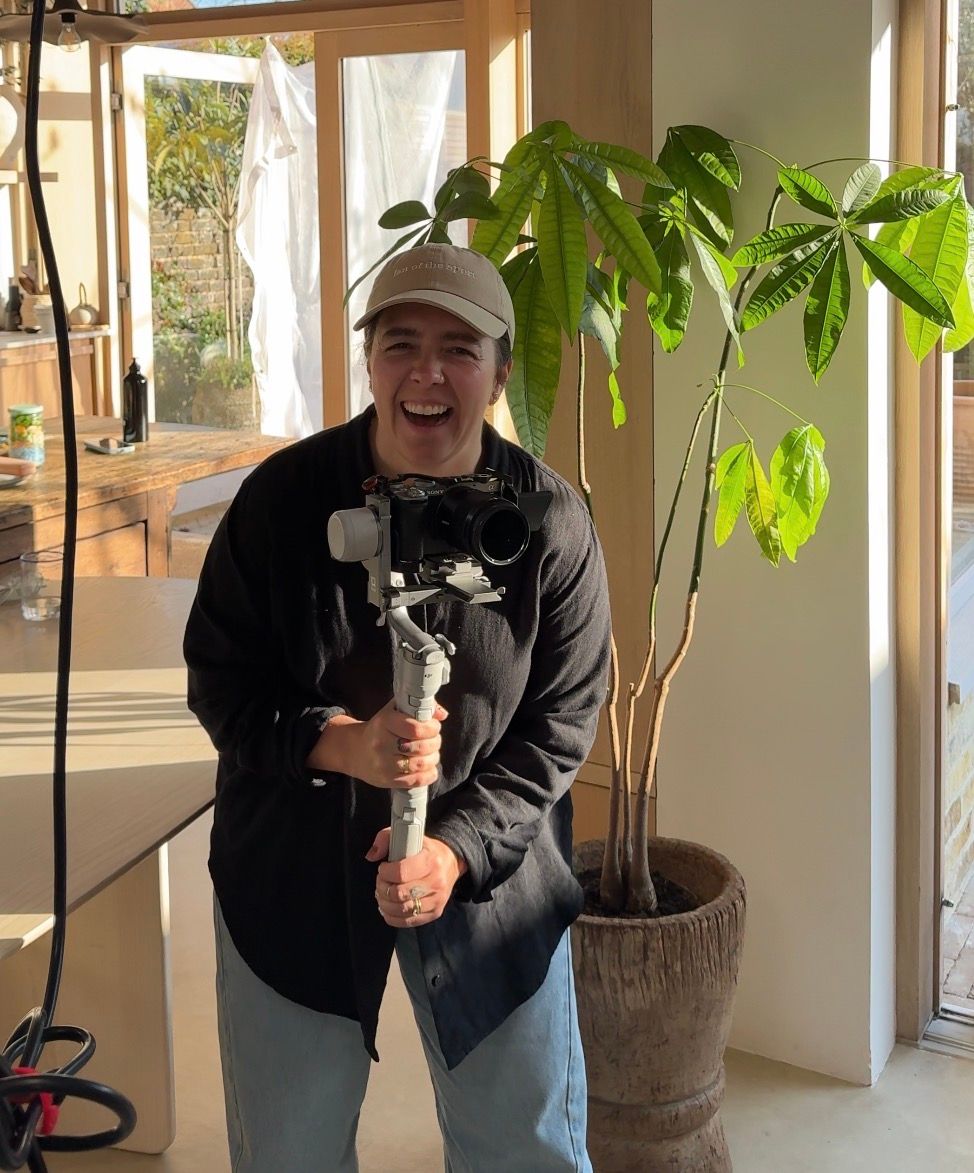
Don't just take our word for it:
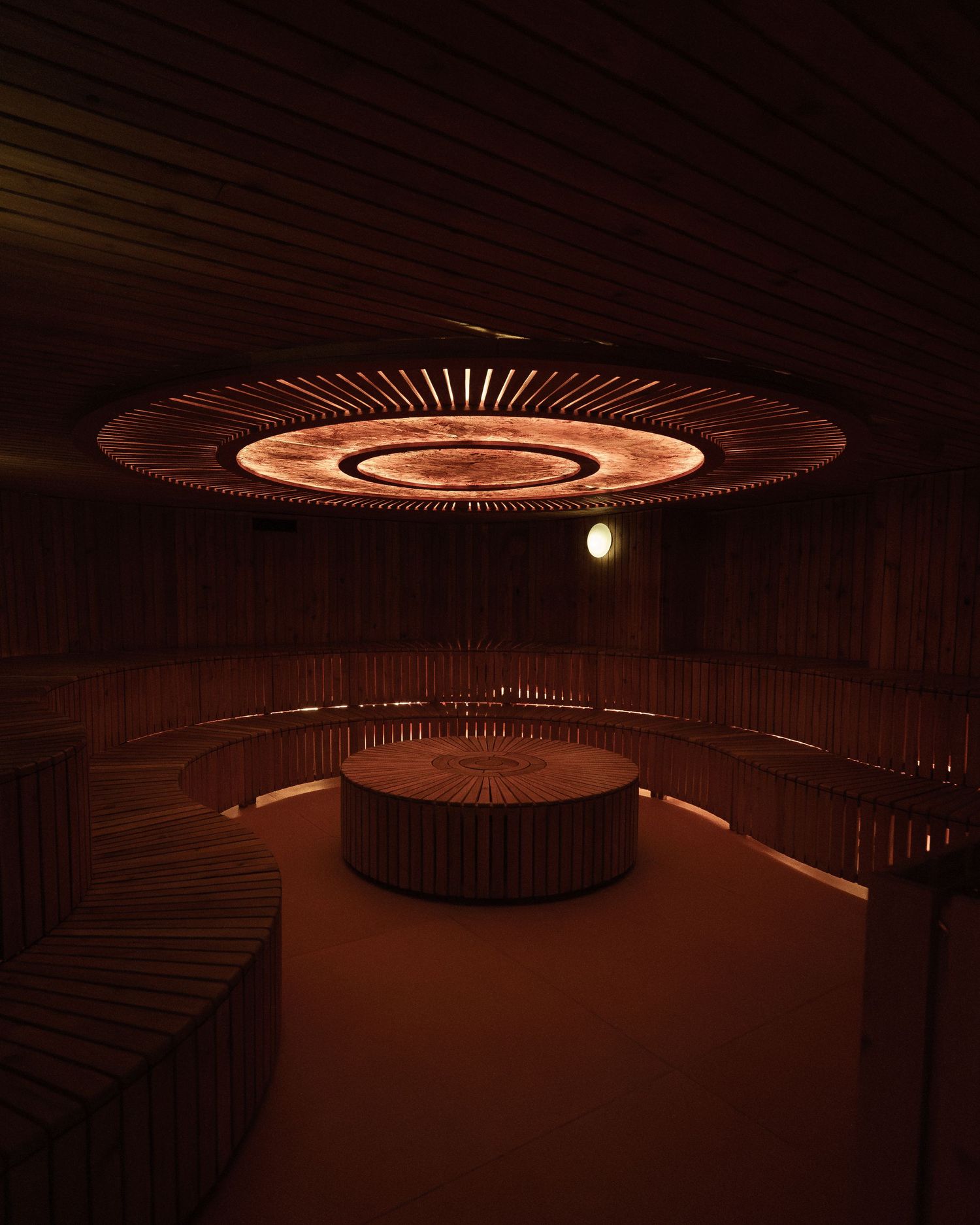
"Working with Des was an absolute pleasure. Her vision, professionalism and output are truly exceptional, far beyond any photographer or videographer I've worked with. She was able to capture exactly the aesthetic I wanted to achieve: refined, sleek and effortlessly sensual. Her work is incomparable, and she consistently brought fresh ideas and creative solutions to every shoot."
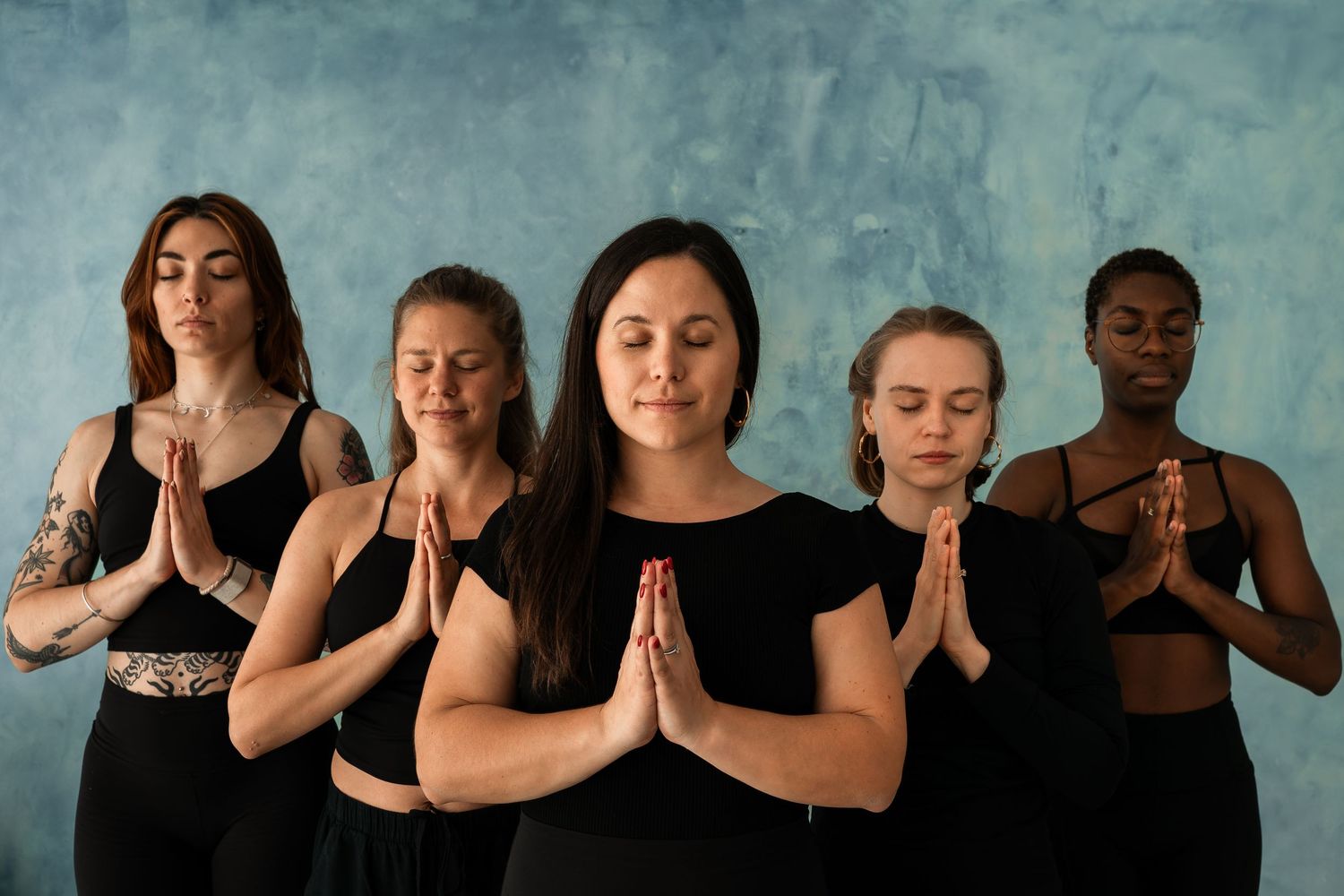
"Working with Des was creative, punctual, and inspirational. She managed to capture the essence of our studio and the essence of our people. It's always inspiring to see how some photographers can truly see beauty in whoever is standing in front of their lens."
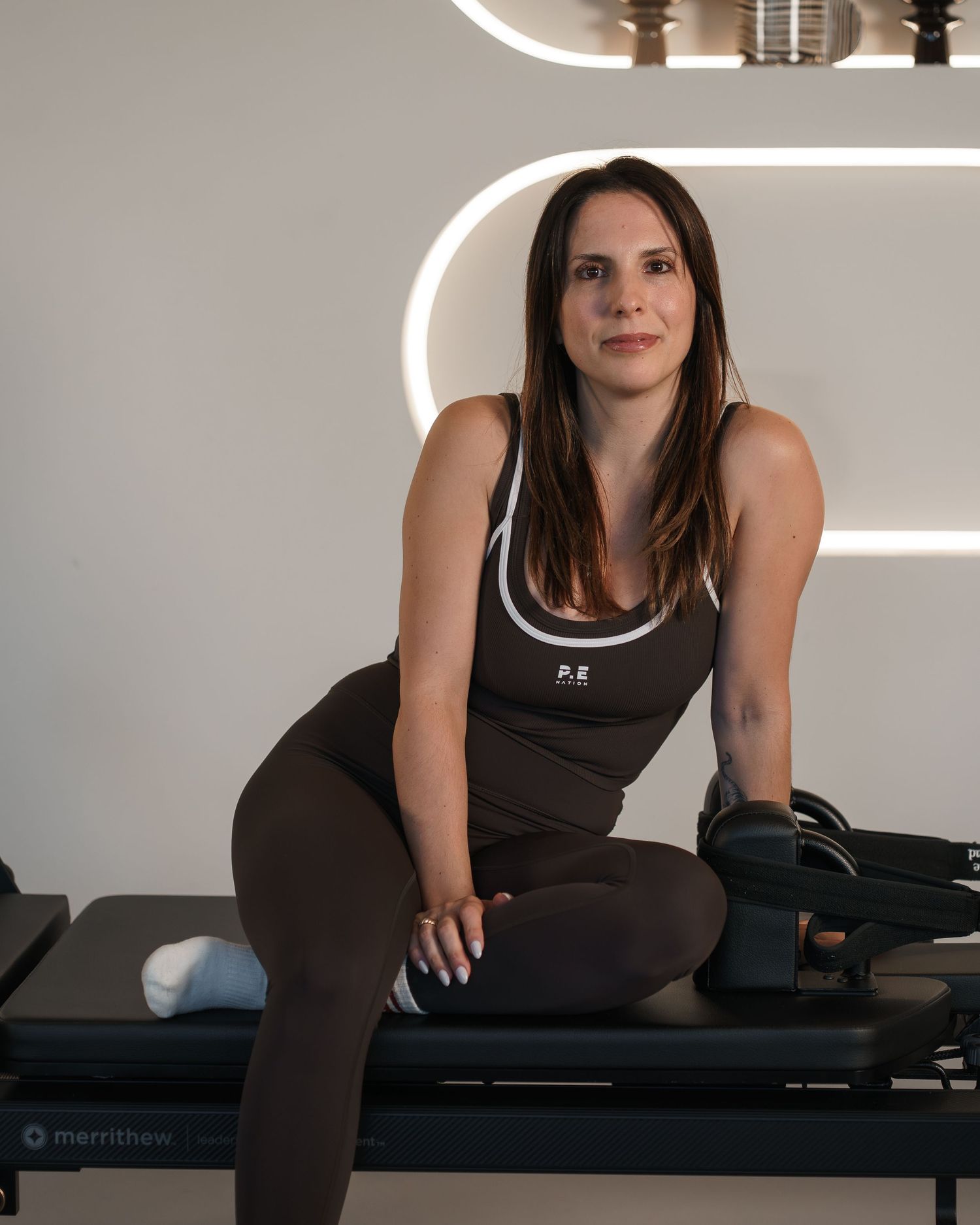
"I'm excited to build a long-term relationship and elevate the brand's visual communication. It's extremely important for me to trust the creative approach of the team I work with, and I trust Des to deliver work that feels elevated, refined, and aligned with the brand's vision."
Good preparation is what separates a content library that works for years from one that sits unused. Everything in this guide exists to make sure that when we arrive on set, we're spending our time creating — not figuring out what we're there to do.
If you have questions at any point during your planning process or you're ready to work together, fill out the form and we'll take it from there.